About Hapkido International
Honouring the roots of Korean martial arts while carrying forward the legacy of Grandmaster Dave Wheaton and the global Hapkido International family.
This page provides a comprehensive history of Hapkido, its diverse roots, the founding of Hapkido International in 1981, and the grandmasters who have shaped our organisation.
History of Hapkido
Hapkido is a modern Korean martial art that emerged in the mid-20th century, synthesising indigenous Korean fighting traditions with methods drawn from Japanese jujutsu and aikijujutsu. While often translated as the "Way of Coordinated Power" or the "Way of Harmony with Energy", Hapkido is best understood as a complete, principle-based system rather than a single lineage or technique set.
The formative figure most commonly associated with Hapkido is Choi Yong-Sool (1904–1986). After spending much of his youth in Japan, it is widely held that Choi studied a form of Daitō-ryū Aiki-jūjutsu or a closely related system. Upon returning to Korea after the Second World War, he began teaching in Daegu, initially under names such as Yawara, Yu Sool and Hapki Yu Kwon Sool. His curriculum emphasised joint locks, throws, control techniques and the redirection of force, expressed through circular motion and close-quarters engagement.
Early Korean students of Choi, including figures such as Ji Han-Jae, Suh Bok-Sub and others, began to expand and systematise the art. They incorporated additional striking methods, kicking techniques and weapons training, creating the foundations of what would become known as Hapkido. These pioneers adapted the Japanese-derived joint-manipulation and throwing principles to Korean body mechanics, cultural preferences and training methods, resulting in a distinctly Korean martial art.
From the 1950s onward, Hapkido developed in parallel with the broader modernisation of Korean martial arts. Different schools and organisations emphasised different aspects of the curriculum: some focused on kicking and dynamic self-defence, others on traditional joint locks and throws, still others on police and military applications. Despite this diversity, several core principles remained consistent: using circular motion to redirect incoming force, blending rather than clashing with an attack, and applying leverage to control the opponent rather than relying on strength alone.
By the 1960s and 1970s, Hapkido had spread beyond Korea, carried by emigrating masters, military instructors and invited teachers. The art continued to evolve in response to real-world self-defence needs, law-enforcement work and cross-training with other combat disciplines. Today, Hapkido is practised worldwide in many forms, but the best schools maintain a balance of tradition and innovation, honouring the original intent of the art: a flexible, adaptable system for self-defence, personal development and the cultivation of ethical character.
Key technical pillars
Joint locking and controls: Precise manipulation of the joints, tendons and pressure points to break balance, neutralise aggression and achieve compliance with minimal damage when appropriate.
Throws and takedowns: Off-balancing the opponent through circular motion, entering angles and hip or leg reaps, using the opponent’s momentum rather than force against force.
Striking and kicking: A full spectrum of hand strikes, low and high kicks, and close-range tools to set up locks, escapes or decisive finishes when self-defence requires it.
Weapons and defences: Traditional weapons such as short staff, cane, belt and improvised tools, together with systematic defences against armed attacks.
Philosophical foundations
Beyond technique, Hapkido stresses respect, self-discipline and ethical restraint. Practitioners are encouraged to resolve conflict with the minimum necessary force and to cultivate courage, humility and responsibility in daily life.
Roots of Hapkido:
A synthesis of traditions
Hapkido did not arise from a single source. It is a deliberately integrated art drawing from multiple Korean and Japanese lineages, combined and refined in the unique historical circumstances of 20th century Korea.
Japanese Aiki and jujutsu influence
The joint locks, pins and throws at the heart of Hapkido show clear kinship with Japanese aiki-jujutsu methods. Circular motion, off-balancing and close contact entries reflect this background, adapted over time to Korean training methods and applications.
Indigenous Korean kicking and striking
Traditional Korean fighting arts such as Taekkyeon and various kwon bup methods contributed dynamic footwork and a wide range of kicks. Hapkido adopted and refined these into a practical self-defence kicking system that complements its grappling and locking skills.
Weapons, military and police applications
Post-war Korea saw Hapkido integrated into military and law-enforcement training. This environment favoured practical weapons work (baton, short staff, knife defence) and control tactics, which further shaped the art’s curriculum and emphasis on adaptable, real-world technique.
Modern Hapkido schools may trace their lineage through different teachers and organisations, yet they share this same broad foundation: a blended art that unifies soft and hard, long and short range, empty hand and weapons, technical skill and moral responsibility.
History of Hapkido International
Established in 1981 by Grandmaster Dave Wheaton, Hapkido International was founded to preserve the principles of traditional Korean Hapkido while developing a practical and evolving system for modern self-defense. From the beginning, the organization emphasized circular motion, joint control, striking, throwing, and disciplined character development.
Over the decades, Hapkido International has trained generations of students and instructors, maintaining strong technical standards while adapting training methods to meet the needs of today’s martial artists. Rooted in tradition and committed to continuous growth, the organization continues to promote excellence, leadership, and lifelong martial arts development.
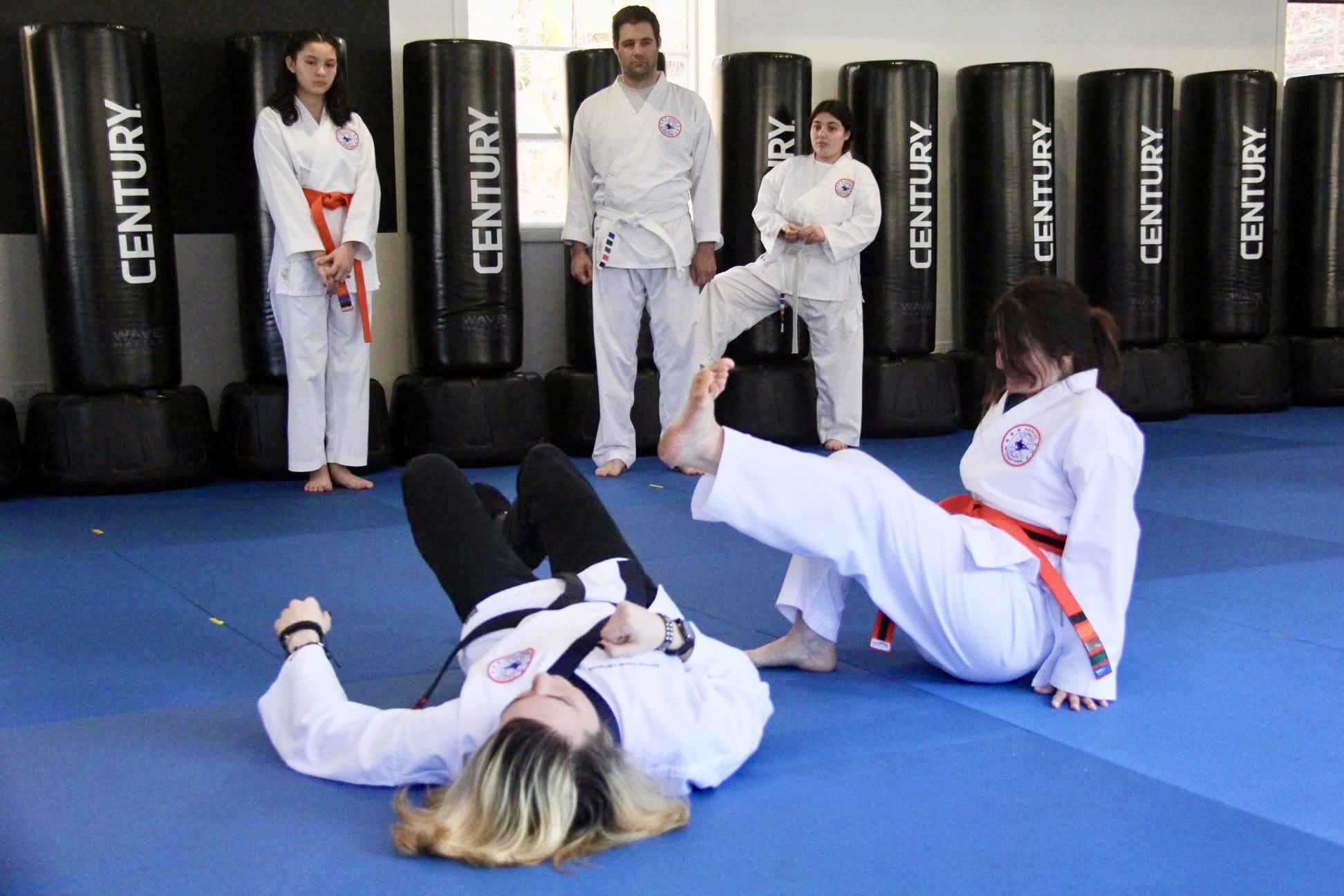
Hapkido International teaches Dynamic Circle Hapkido, a modern evolution of traditional Korean martial arts that emphasizes circular energy, precise joint control, and adaptive movement. The system trains students to redirect force rather than oppose it, using fluid footwork and continuous motion to create efficient and practical self-defense. Throw forms and takedowns are developed through circular flow, allowing seamless transitions between striking, controlling, and finishing techniques. Modern training methods incorporate kicking combinations directly into circle-throw entries, increasing realism, coordination, and technical depth. Stress training with line takedowns further prepares students to maintain balance, control, and clear decision-making in high-pressure or fast-moving environments, building both physical skill and mental composure.
Core aims of Hapkido International
Technical authenticity: Preserve key principles and methods of traditional Korean Hapkido while organising them into a coherent, teachable syllabus from beginner to advanced black belt levels.
Instructor development: Support instructors through continuing education, shared teaching resources and clear standards of conduct, ensuring high-quality tuition for every student.
Character and conduct: Place equal importance on etiquette, humility, perseverance and service, reflecting the belief that true mastery is measured not only by technique but by the way we live and lead.
Grandmaster Dave Wheaton
Founder of Hapkido International •
Established 1981
Grandmaster Dave Wheaton
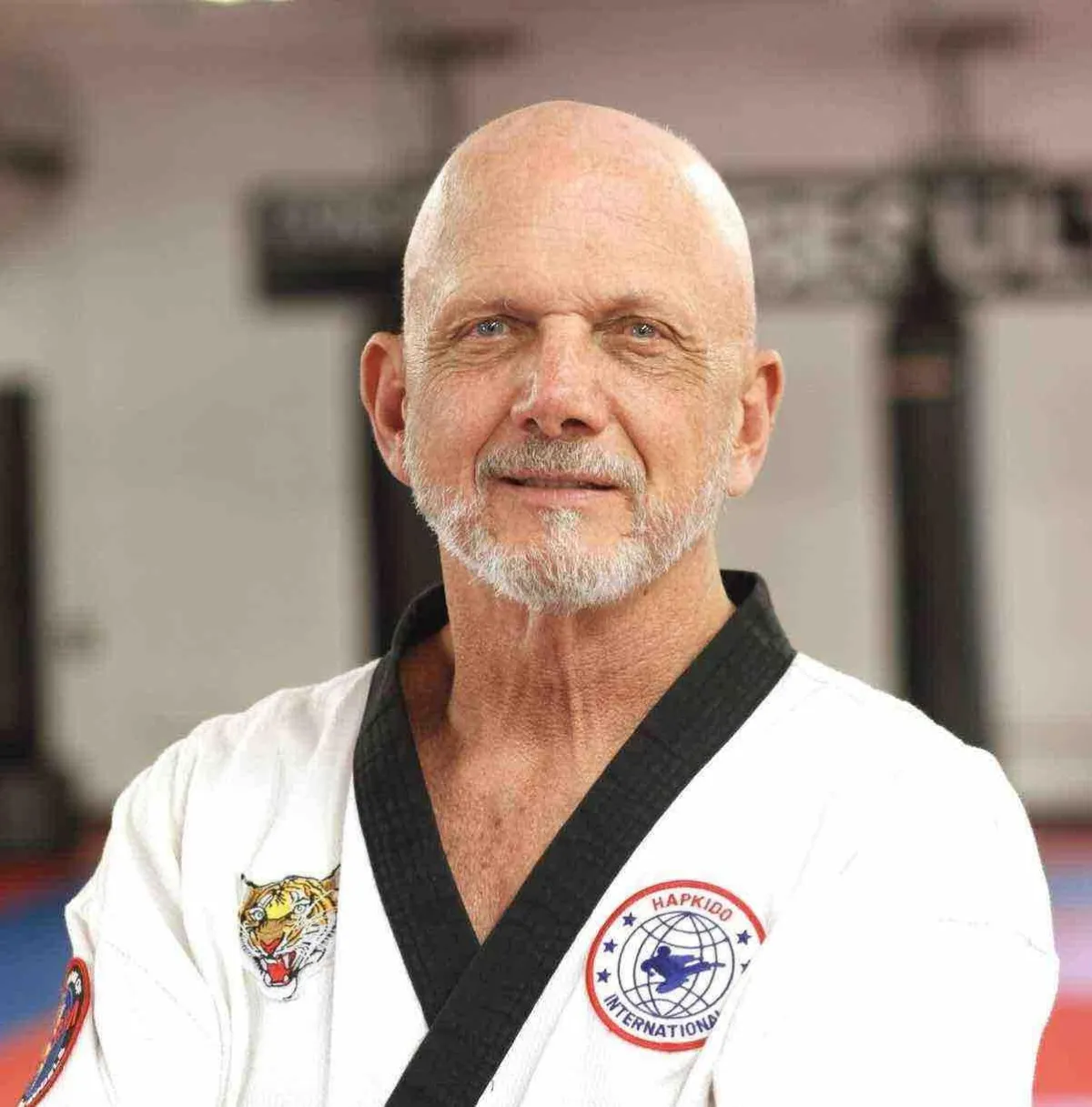
Grand Master Dave Wheaton Founder of Hapkido International | Creator of Dynamic Circle Hapkido Grand Master Dave Wheaton is a world-renowned martial artist, teacher, and founder of Hapkido International (established 1981). With over five decades of experience, he has dedicated his life to sharing the philosophy and power of Hapkido with students and instructors around the world. His martial arts journey began in 1966 with Tang Soo Do and later expanded to include Aikido, Judo, Muay Thai, and Taekwondo. Grand Master Wheaton went on to train under legendary masters such as Grandmaster Yi, Tae Hee and Grandmaster Sung Ok Hong, who deeply influenced his understanding of discipline, technique, and energy flow. From this foundation, he developed Dynamic Circle Hapkido, a complete system of self-defense that blends traditional and modern martial arts principles. This art emphasizes fluid movement, adaptability, and the harmonious use of energy—allowing practitioners of all ages and sizes to defend themselves effectively. Throughout his career, Grand Master Wheaton has opened multiple schools, trained thousands of students, and produced generations of skilled instructors. His legacy continues through Hapkido International schools and certified instructors worldwide. Grand Master Wheaton currently holds: 9th Dan Black Belt – Gene Hong Kwan Hapkido 8th Dan Black Belt – Chung Do Kwan Taekwondo Appointed “Grandmaster” by the World Taekwondo Chung Do Kwan Federation Golden Lifetime Achievement Award (2001) – World Karate Union Martial Arts Hall of Fame Today, he resides in Honolulu, Hawaii, continuing to teach private lessons and mentor future generations. His lifelong dedication to the martial arts community embodies the true spirit of respect, discipline, and continuous growth that defines Hapkido International
Grandmasters of Hapkido International
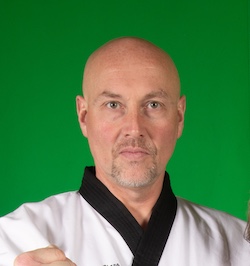
Grandmaster Yaro Havelka
President Of Hapkido International
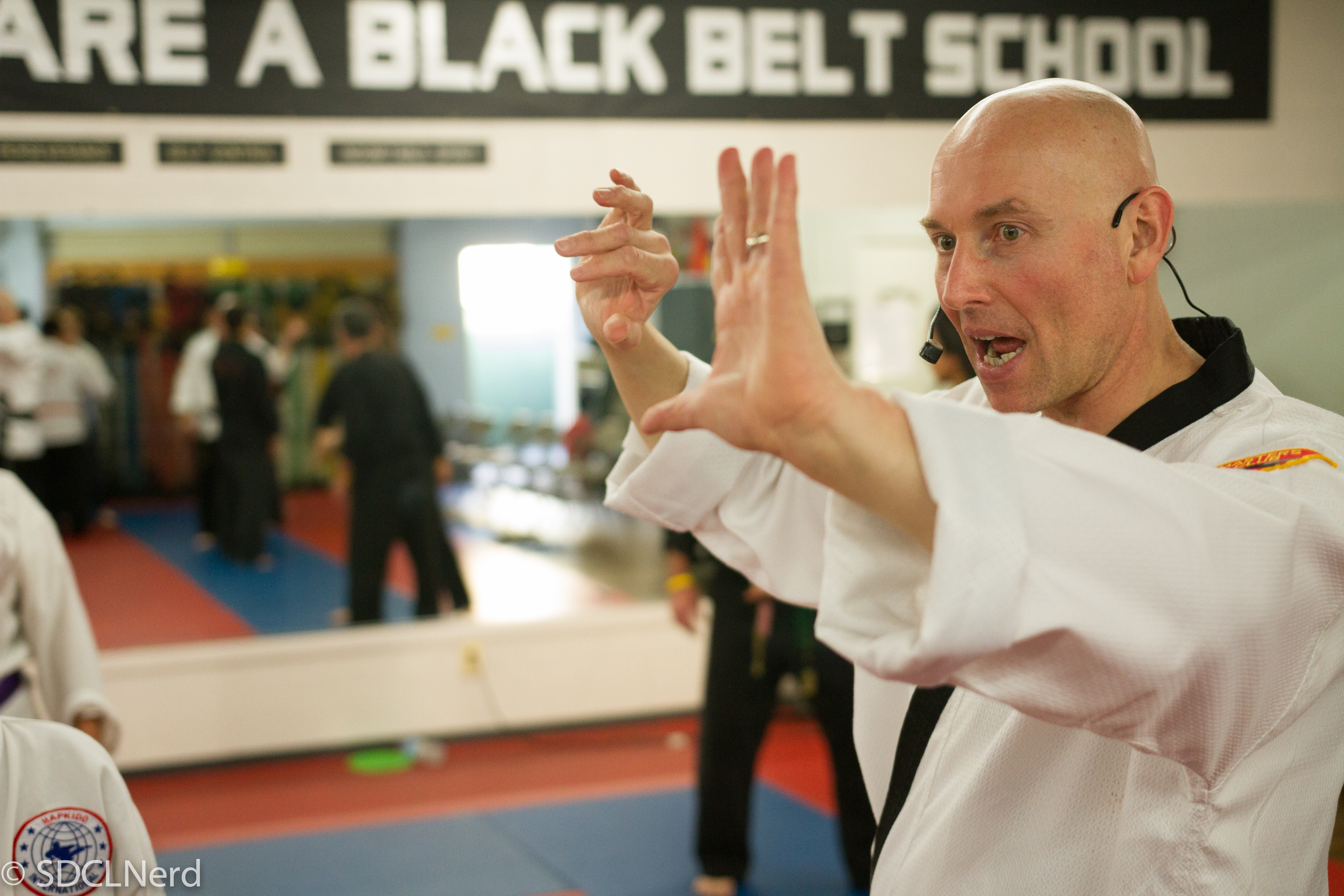
Grand Master Yaro Havelka President of Hapkido International Grand Master Yaro Havelka is a lifelong martial artist and dedicated teacher with over four decades of experience in multiple martial arts disciplines. His lifelong mission has been to preserve the values of martial arts—respect, discipline, and continuous self-improvement—while inspiring students of all ages to reach their full potential. His journey began in 1983 with Shotokan Karate and has since expanded to include Aikido, Hapkido, Judo, Modern Arnis, FCS Kali, Ko Am Mu Do, and both ITF and WTF Taekwondo. Over the years, Grand Master Yaro has trained under some of the world’s most respected martial artists, including Grandmaster David Wheaton, Datu Ray Dionaldo, Sensei Wilfredo Matias, Grandmaster Rick DeAquila, Grandmaster Guak and Grandmaster Young Ho Jun. Their teachings profoundly shaped his philosophy on movement, balance, and energy flow. Building upon these diverse influences, Grand Master Yaro following further develop Dynamic Circle Hapkido, a modern and comprehensive self-defense system that blends traditional principles with contemporary application. This art emphasizes fluid motion, adaptability, and energy control, enabling practitioners of any age or size to defend themselves with confidence and precision. Throughout his career, Grand Master Yaro currently holds: 9th Dan Black Belt – Hapkido 9th Dan Black Belt – Taekwondo 3rd Degree Black Belt – Modern Arnis 3rd Degree Black Belt – Ko Am Mu Do Certified FCS Kali Instructor. In 2019, Grand Master Yaro was inducted for Master of the Year in Hapkido by the USA Martial Arts Hall. Today, he oversees five martial arts academies, continuing to guide students and instructors through the principles of Dynamic Circle Hapkido.
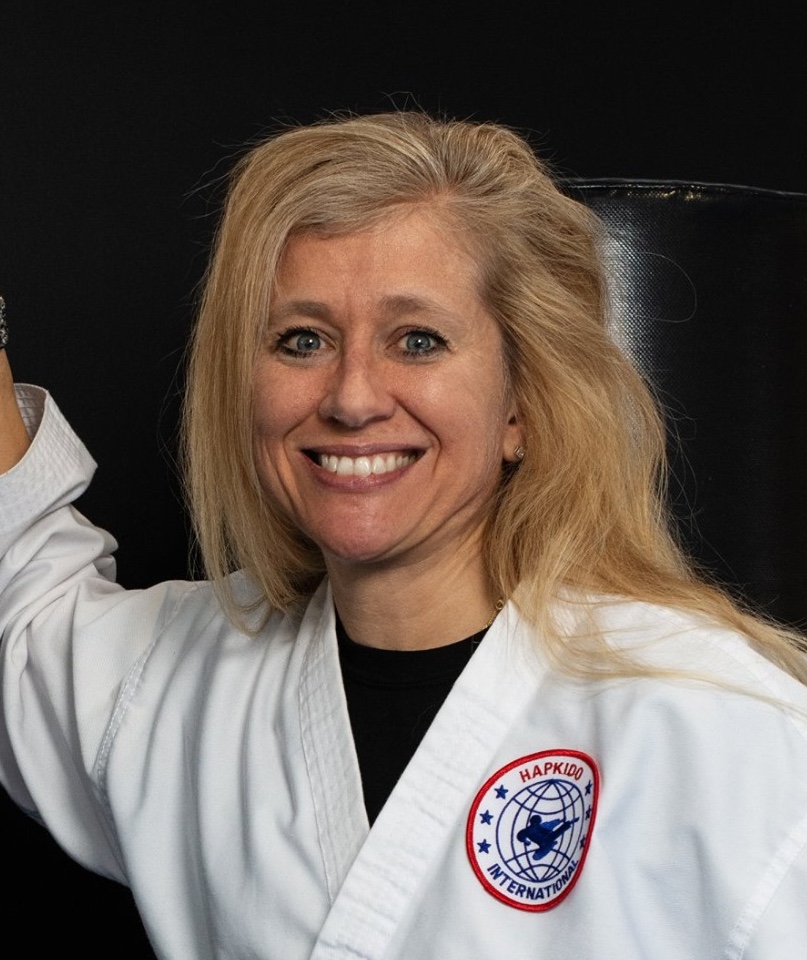
Grandmaster Ellen Reichelt
Grand Master Ellen Reichelt is a 1992 UCONN grad with a dual BS in Mechanical Engineering and in Materials Science. She has been a well-respected Project Engineer in industry for the last 33 years leading many successful multi-disciplined team projects to completion. Her true passion is martial arts and the amazing powerful impact they have on people’s lives. Training in Hapkido since 1988, Ellen is the 1st female to receive the rank of 7th degree Grandmaster in the Hapkido International Organization. Ellen was inducted for Master of the Year in Hapkido into the World Karate Hall of Fame in 2010. She was a contributing author to International Best Seller, “Black Belt Power – Inspirational Stories by Extraordinary Martial Artists” published in 2016. She opened her own martial arts school in 2018 , TOP Martial Arts and Fitness For Life as she won the fight with breast cancer. She has trained with Opher Brayer who is the founder of the Stages Methodology that trains the brain towards genius level. Utilizing the Stages Methodology, her industry experience and her martial arts experience, her goal is to create the future leaders, creators and innovators through martial arts. Her family includes her high school sweetheart husband, Kevin Reichelt, and her beautiful German Shepherds
© 2026 Hapkido International. All rights reserved.